Why More Traffic Isn’t Getting You More Dental Patients

Author: Rahil Kumar
Co-Founder and Marketing Manager


When we are reviewing digital performance reports with dental practices, their key focus is usually about wanting more traffic.
More website visitors. More clicks. More impressions.
Because more traffic feels like progress.
And to a degree, it is. If more people are finding your practice online, that’s a positive signal that your marketing agency is doing something right.
But here’s the reality most dental clinic owners eventually run into:
Traffic doesn’t grow a practice. Patients do.
You can be investing in SEO, running ads, posting on social media, even working with a dental marketing agency… and still find that enquiries don’t increase in line with traffic. Or worse, they increase slightly, but don’t convert into actual patients.
That’s because attention on its own doesn’t mean anything. It just means someone has seen you.
What actually matters is what happens next.

Where most dental marketing breaks down
When practices think about improving their online performance, the default reaction is usually to drive more traffic to their website. More ads. More content. Better rankings.
But in reality, most of the leakage doesn’t happen at the top of the funnel. It happens after someone has already found you.
And it rarely comes down to one issue. It’s usually a combination of small gaps across the entire journey that, together, stop patients from taking action.
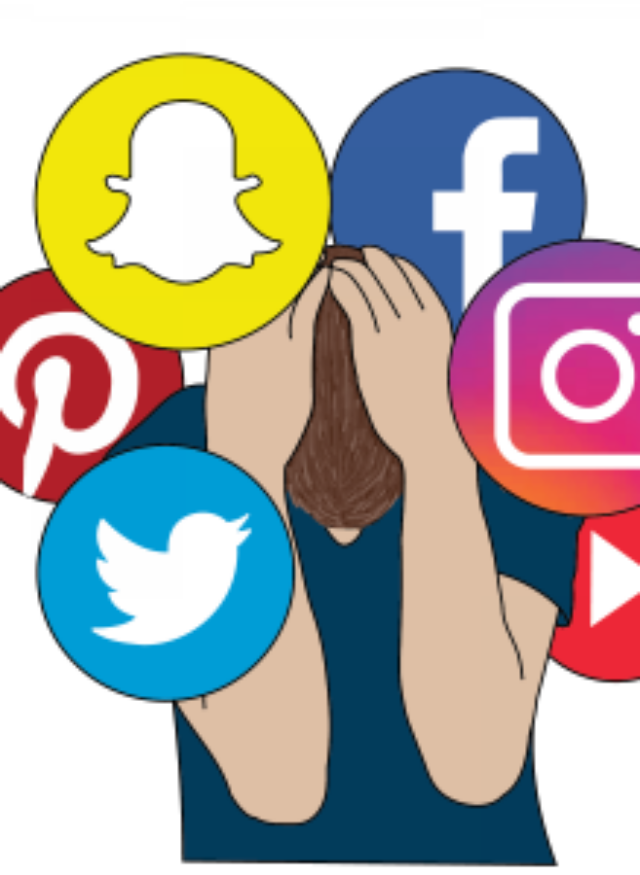
Take social media as an example. Many dental practices are active on different social platforms, posting consistently on Instagram, sharing cases on Facebook or following trends on TikTok. On the surface, it looks like everything is working. But when you look closer, there’s often no clear message behind the content. No positioning. No reason for a potential patient to choose that practice over another. So people scroll, maybe engage, and move on. It’s content, but it’s not conversion-driven.
The same applies to paid ads. Ads can generate traffic quickly, but traffic alone isn’t the goal. If the messaging is too generic, the targeting too broad, or the landing page too weak, you end up paying for attention that doesn’t go anywhere. Someone clicks, lands on your website, doesn’t immediately see why they should stay, and leaves. The issue isn’t the ads themselves. It’s what happens after the click.
SEO can create a similar illusion. Ranking higher on Google feels like a win, and it is from a visibility standpoint. But if your website doesn’t convert, all you’re doing is increasing the number of people who leave without taking action. You become visible, but not persuasive.
And then there’s the website itself, where everything comes together. Most practice websites are built to explain, not to convince. They talk about services, qualifications and technology, but they don’t clearly communicate why a patient should choose that practice. The messaging is often generic, the positioning unclear, and the next step not obvious. So even interested patients hesitate, compare, or leave.
What actually drives patient conversion for a dental clinic in 2026
If traffic is attention, conversion is trust.
And trust doesn’t come from one channel or one touchpoint. It’s built through consistency across everything a patient sees, from the first impression to the moment they decide to get in touch.
This is where many practices, and even some dental marketing agencies, get it wrong. They focus on individual channels in isolation instead of the overall experience.
In reality, a patient doesn’t think in channels. They don’t separate your ad from your website, or your Instagram from your reviews. They experience it as one journey. And if that journey feels disconnected, inconsistent or unclear, trust drops.
Strong conversion comes from alignment.
When a patient lands on your website, they should immediately understand who you are, who you’re for, and what makes you different from other dental clinics in the area. Not after scrolling. Not after reading three sections. Within seconds.
That message then needs to be reinforced across everything else they see. Your social content, your ads, your reviews, your tone of voice. It should all feel like it’s coming from the same place, telling the same story.
Just as importantly, there needs to be a clear reason to choose you. Not just what you do, but why it matters to the patient. This is where many practices fall into the trap of explaining instead of persuading. They describe treatments, but don’t communicate outcomes. They list features, but don’t create desire or confidence.
And finally, the journey itself needs to feel easy. Even when someone is interested, friction kills conversion. If it’s not obvious what to do next, if contact details are hard to find, or if response times are slow, the likelihood of that patient booking drops significantly.

Where you’re losing patients (and how to fix it)
The good news is that improving conversion doesn’t require a complete overhaul overnight. It starts with identifying where the gaps are and making focused improvements that actually impact patient behaviour.
A good starting point is your website homepage. Look at it as if you were a new patient seeing your dental practice for the first time. Is it immediately clear what dental treatments you offer and who it’s for? Does it feel different from other practices in your area? Does it build trust quickly? If not, that’s where attention is being lost.
Next, look at how your marketing connects. If you’re running ads or investing in SEO, does the message carry through to your website? Or does it feel like a disconnect? Consistency here is critical. Patients should feel like they’re continuing the same journey, not starting again.
Social media is another area worth reviewing. Not in terms of frequency, but in terms of clarity. Would someone landing on your Instagram or Facebook profile understand what you’re known for? Would they trust you? And most importantly, would they know what to do next?
One of the most overlooked areas is how you follow-up leads after they enquire. This is where marketing efforts either convert or fall apart. How quickly are you responding? Does it feel personal or generic? Is there a clear follow-up process if someone doesn’t reply? Small improvements here can often have a bigger impact than increasing your ad spend.
And finally, it’s worth shifting your mindset from volume to quality. More traffic to your dental website won’t fix a weak system. Better conversion will. In many cases, improving conversion by even a small percentage will drive more growth than doubling your traffic.
The shift that actually matters
Many dental clinics ask:
“How do we get more traffic to our website?”
But the better question is:
“Why aren’t more people choosing us as their dental practice once they find us online?”
Because that’s where the real opportunity is.
Final thought
Traffic gets you seen.
But being seen isn’t the goal. Being chosen is.
And that only happens when your marketing works as a connected system, not a collection of channels.
Whether you’re managing it internally or working with a dental marketing agency like MiSmile Media, the focus shouldn’t be on just driving more people to your website but on making sure those potential patients choose you as their dental practice.