Why Being a Graphic Designer Kind of Sucks (And Why That’s Good News for Dental Practices)
March 12, 2026
|
Post by Rahil Kumar
|
Branding

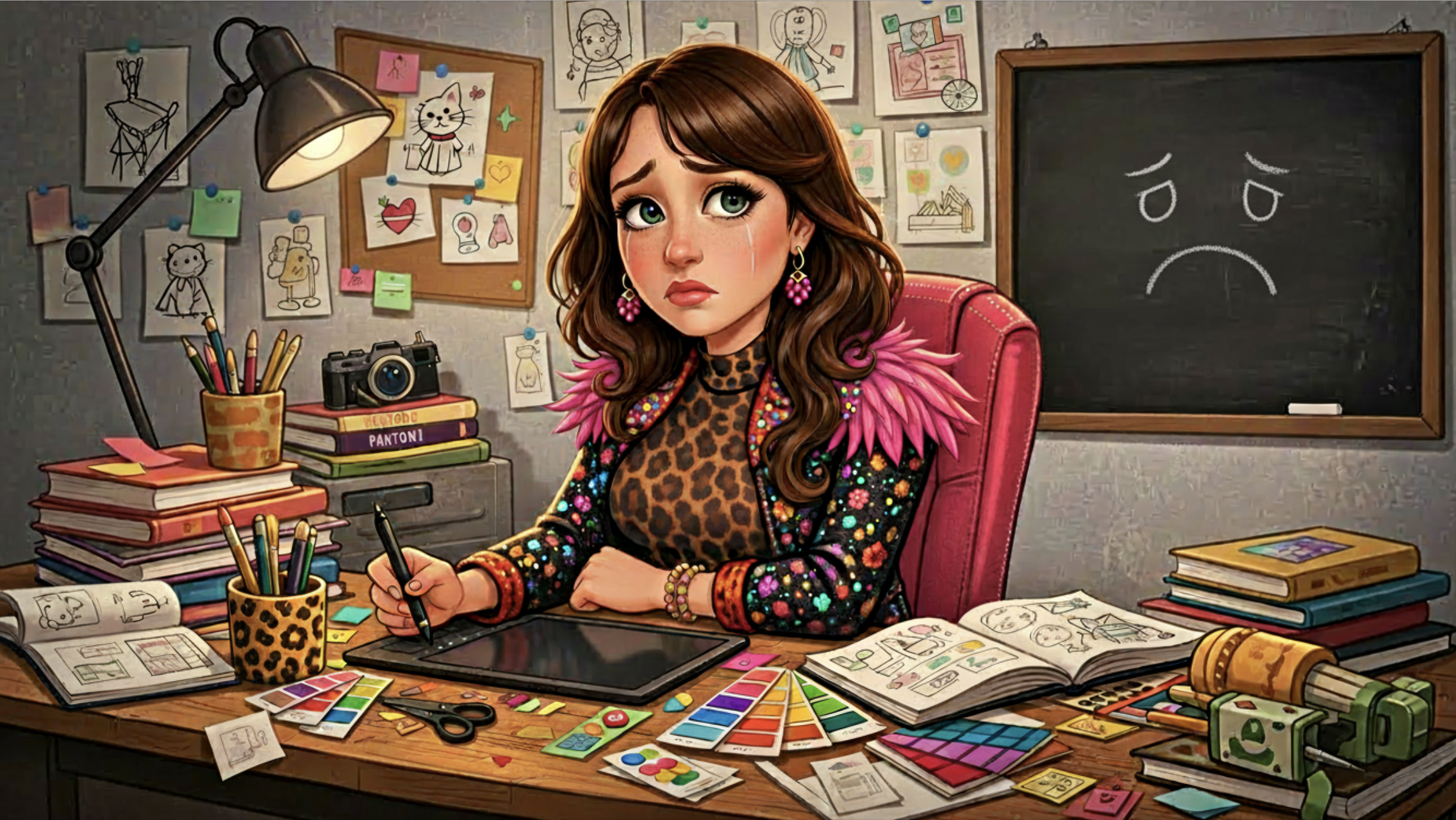
Recently, our Senior Creative Designer Emily gave a talk called:
“Why Being a Graphic Designer Kind of Sucks.”
It felt like half joke, half therapy session.
But it highlighted something important especially for dental practices investing in branding, websites and marketing.
Because most people misunderstand what design actually does.
“Can You Just Make It Pop?” ????
One of Emily’s first points was this:
Graphic design is one of the only professions where everyone suddenly feels qualified to give expert advice.
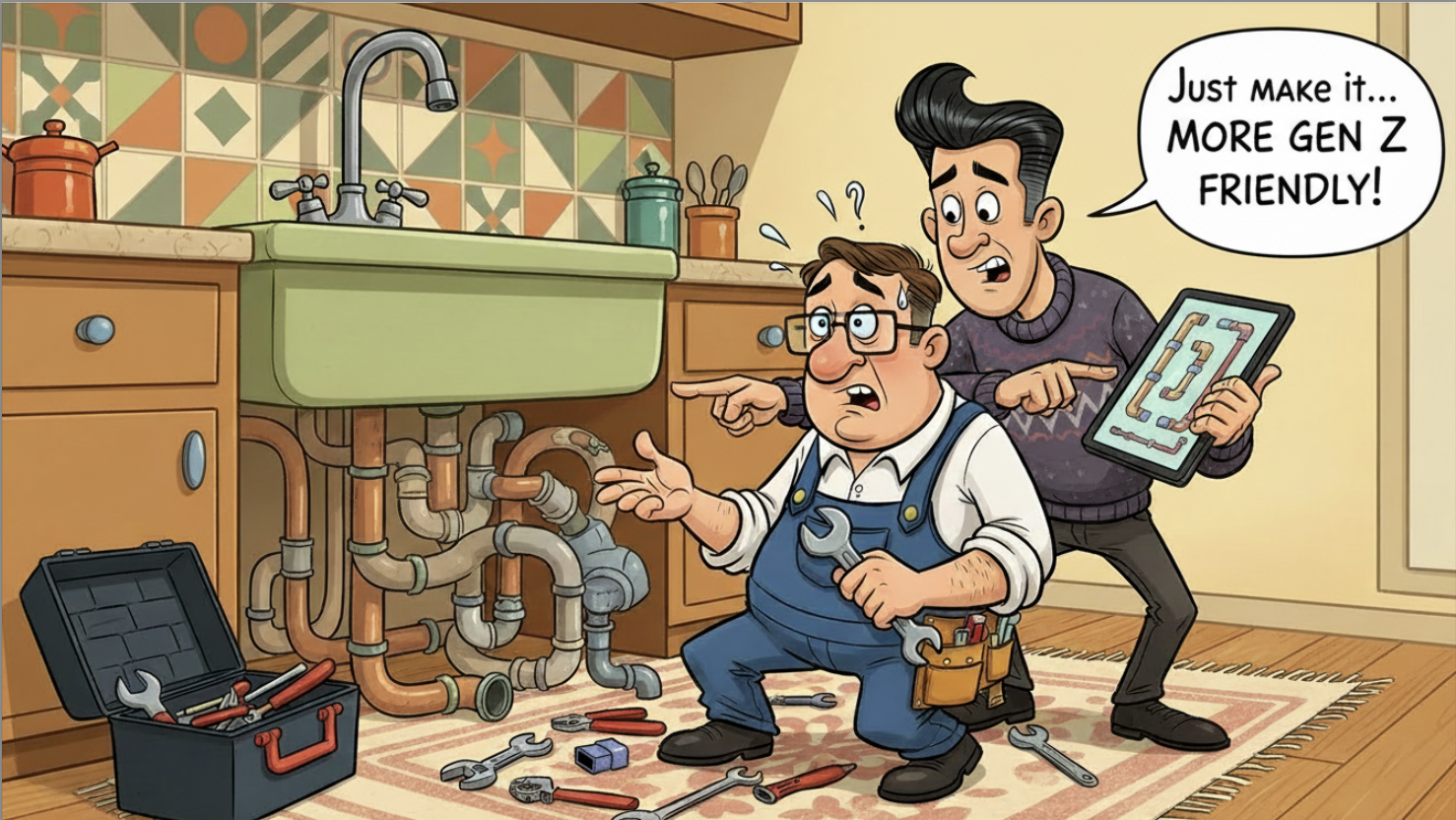
If a plumber is fixing your sink, you don’t lean over and say:
“Have you tried making the pipe layout more Gen Z friendly?”
But designers regularly hear:
“Can you make the logo bigger?”
“Can we try 14 different fonts?”
“Can you make it pop?”
Feedback isn’t the issue. That’s part of the job.
The issue is when decisions become preference-led instead of purpose-led.
In dentistry, this often looks like:
- Choosing colours because someone likes them
- Adding more content because “we should mention everything”
- Designing pages around internal taste instead of patient clarity
- Websites designed around what the team likes, not what patients understand
Good branding and design isn’t about personal preference.
It’s about making it easier for patients to understand you and trust you quickly.
Once You See It, You Can’t Unsee It
Another challenge Emily mentioned:
Once you become a designer, your brain changes. You can never unsee bad design.
You start noticing:
- Inconsistent spacing
- Crooked alignment
- Stretched logos
- Cluttered layouts
- Mixed fonts
It sounds minor.
But in dentistry, these small details quietly influence trust.
Patients make snap judgements.
Patients judge professionalism in seconds.
If your website feels cluttered, outdated or inconsistent, it subconsciously signals:
- Lack of attention to detail
- Lack of polish
- Lack of credibility
- Unreliability
And when someone is considering a high-value treatment, that hesitation matters.
Design Is Not Decoration ❌
This is the biggest misconception.
Design isn’t about “making things look nice”.
It’s about making things easier to understand.
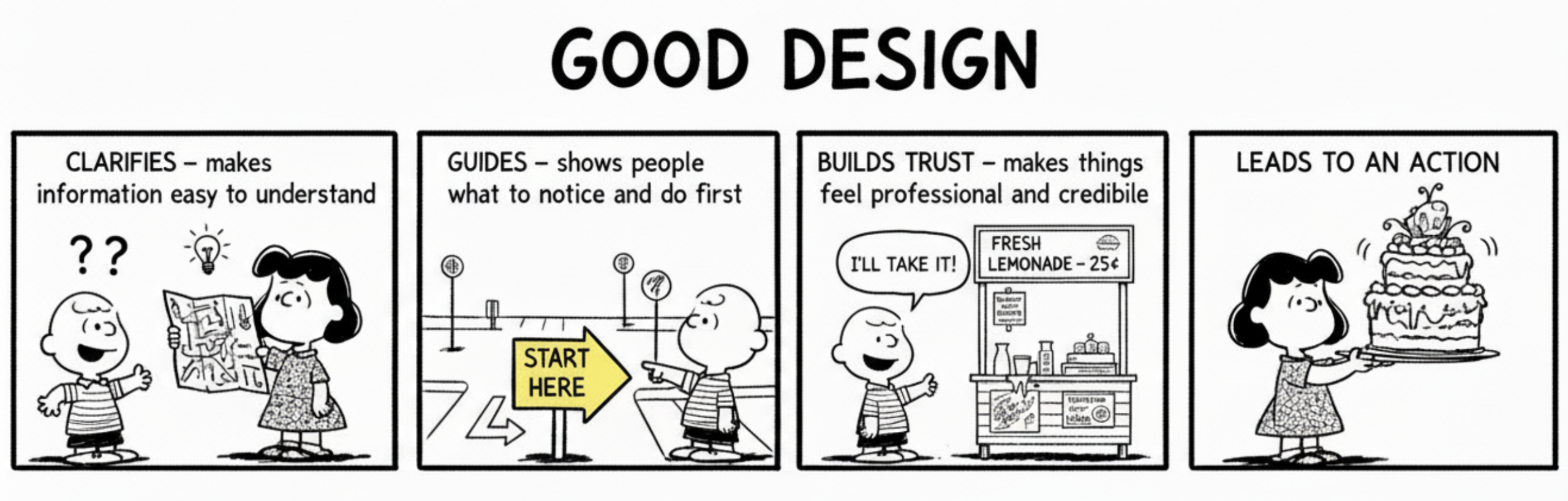
Good design:
- Clarifies information and makes it easy to understand
- Guides attention
- Reduces friction
- Builds confidence and trust
- Makes a practice feel credible
- Leads to action by supporting bookings and enquiries
If design is done perfectly, people don’t notice it.
Which is slightly tragic.
Because it means when it works, it feels invisible. But invisible doesn’t mean ineffective.
In dental marketing, design is often the difference between a visitor scrolling or a visitor booking.
The Flip Side: Design Is a Secret Weapon
Yes, designers deal with endless opinions.
Yes, explaining hierarchy and white space repeatedly can be exhausting.
But here’s the flip side:
Design shapes how patients experience your brand.
- The layout of your homepage.
- The way your brand feels on Instagram.
- The clarity of your Invisalign page.
- The structure of your treatment pricing and landing pages.
- The consistency across your social posts.
Those details influence:
- How quickly someone understands your offer
- How confident they feel
- Whether they trust you
- Whether they take action
In dentistry, good design doesn’t just make things prettier. It makes them more profitable.
What About AI?
The visuals Emily used in her talk were generated using AI.
AI is excellent at:
- Creating imagery quickly
- Producing variations
- Speeding up execution
But AI cannot decide:
- What should be communicated first
- What matters most to your ideal patient
- How to structure a page for clarity over aesthetics
- Align design with conversion psychology
- How to reduce friction in a booking journey
AI is an ever evolving tool.
But the strategic thinking behind effective design is still human and that thinking is where growth happens.
What This Means for Dental Practices
If you treat design as decoration, you’ll get decoration.
If you treat design as strategy, you’ll get structure and growth.
That means:
- Your website should be conversion-led
- Your brand should feel consistent across every touchpoint and channel
- Your social media visuals should reinforce credibility.
- Your treatment pages should reduce confusion
- Your landing pages should guide attention intentionally
- Your visuals should reinforce trust
Design isn’t fluff. It’s infrastructure.
The Real Takeaway:
Yes, being a graphic designer might “kind of suck” at times.
But the discipline behind good design is one of the most underrated growth levers in dental marketing.
Because when it’s done properly:
Patients don’t notice it.
They just feel confident and trust you more.
And they book.