ChatGPT Ads Are Here. What Does This Mean for Dentists?
February 23, 2026
|
Post by Rahil Kumar
|
Paid
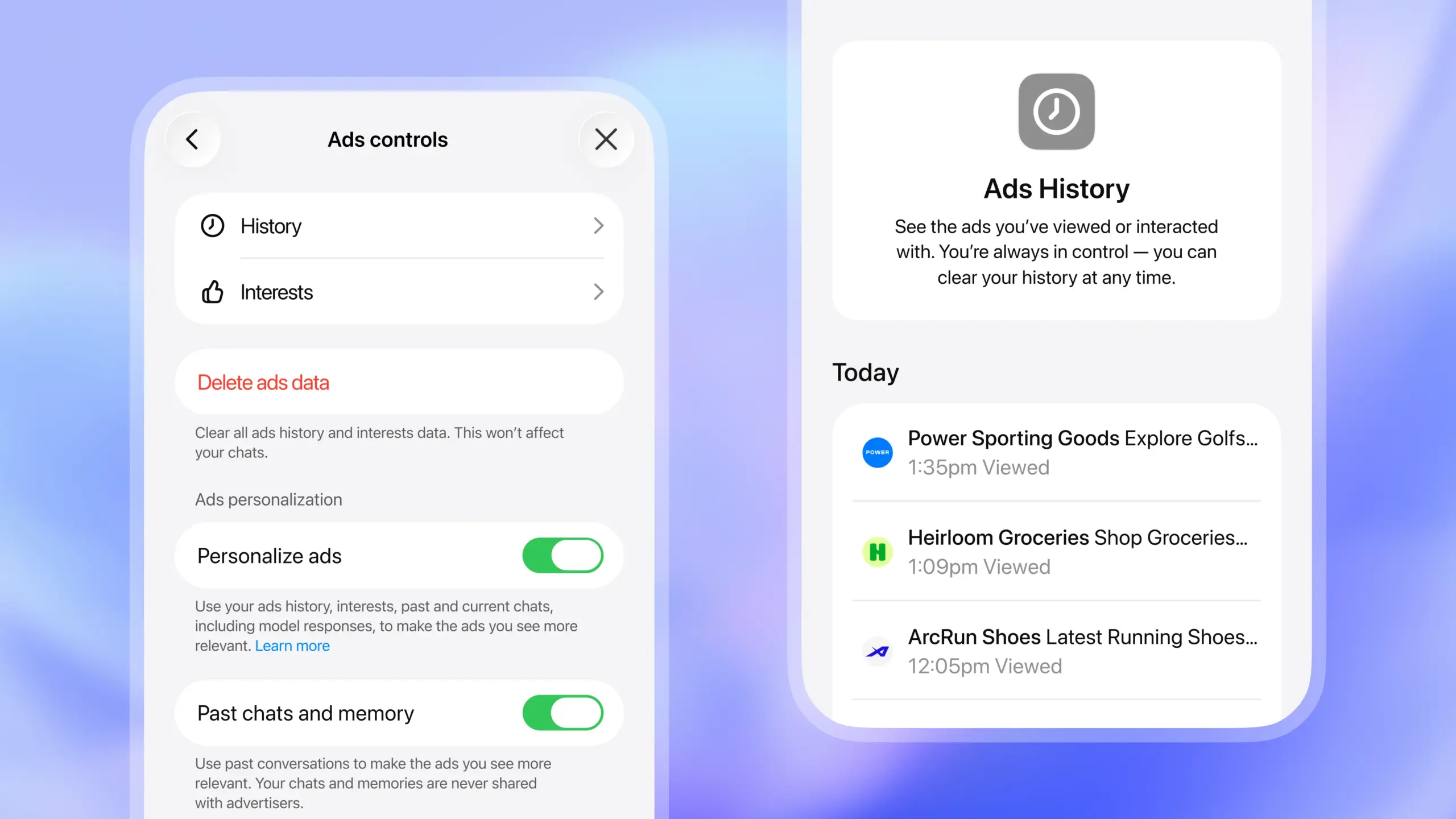
OpenAI has officially stepped into advertising.
ChatGPT is now testing ads inside conversations (currently in the US), and early reports suggest it won’t be cheap.
Some brands are reportedly being quoted premium CPMs (roughly $60), with high minimum spends ($200K+) just to test the channel.
That puts ChatGPT advertising firmly in premium territory.
So the real question is: Is this something dental practices should care about?
Here’s what the MiSmile Media team knows so far and what it actually means for dentists.
❌ It’s Premium Positioning, Not Performance (Yet)
ChatGPT ads don’t look like Google Ads.
They don’t operate like Meta.
There’s no clear ROAS-driven structure yet.
At launch, its reporting appears limited to basic metrics like impressions and clicks.
No conversion tracking.
No robust attribution modelling.
For experienced marketers, it feels familiar.
- Early-stage platform.
- Limited data.
- Premium visibility.
Right now, this looks more like:
- Brand positioning
- Awareness
- Consideration
Not immediate patient acquisition.
✅ The Real Differentiator: Intent Inside Conversation
Here’s where it gets interesting.
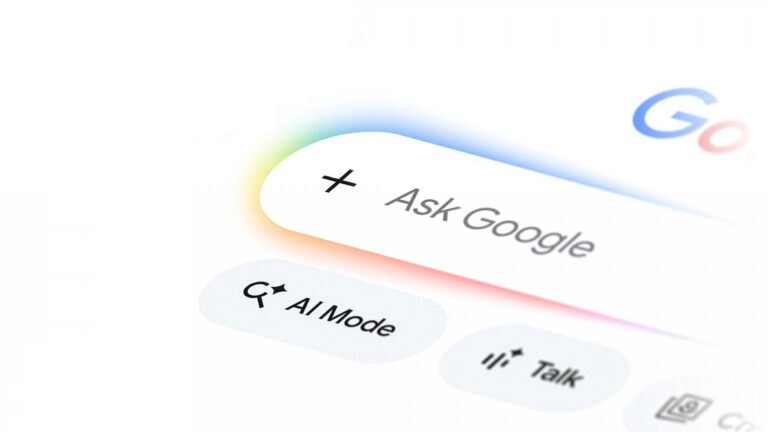
Ads appear inside live conversations.
If someone asks:
“What’s the best way to straighten teeth without braces?”
A relevant sponsor could appear.
That’s different from traditional keyword bidding.
This is intent expressed in natural language, in real time.
Conceptually, it’s closer to search but embedded inside discovery.
Important note:
Paying for ads does not influence ChatGPT’s answers.
Ads are separate from responses.
But they exist in the same decision-making moment.
That’s powerful.
What This Means for Dental Practices:
1️⃣ This Does NOT Replace Google or Meta
Google Search and Meta Ads will continue to drive performance.
They offer:
- Clear tracking
- Conversion data
- Proven patient acquisition pathways
ChatGPT ads are not there yet.
2️⃣ It Signals Where Search Is Going
Patients are increasingly asking AI questions like:
- “Is Invisalign worth it?”
- “What’s the best treatment for crowded teeth?”
- “How much does Invisalign cost in the UK?”
- “Who’s the best Invisalign dentist in Birmingham?”
Discovery is shifting from keywords to conversations.
Even if ads aren’t live in the UK yet, the behaviour shift is happening.
And behaviour always comes before monetisation.
3️⃣ The Bigger Opportunity Isn’t Ads – It’s Visibility
Right now, the smarter play for dental practices isn’t rushing to test ChatGPT ads.
It’s making sure:
- Your website answers real patient questions clearly
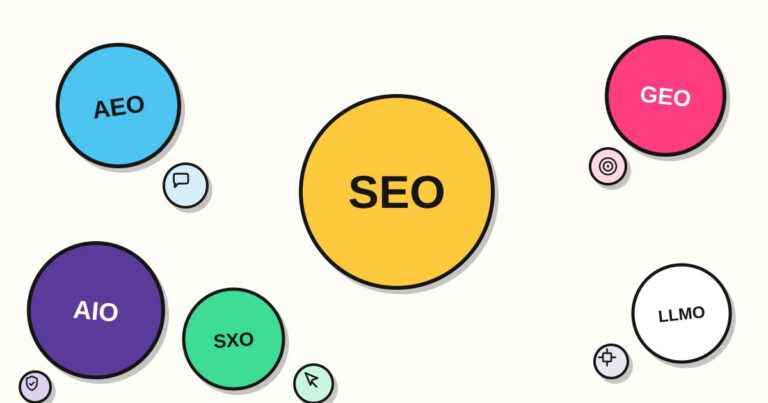
- Your SEO is aligned with conversational queries
- Your authority is strong enough to be surfaced in AI answers
Because AI visibility isn’t bought first.
It’s earned.
4️⃣ If You Do Test, Keep It Small
For larger dental groups or national brands, there may be a case for controlled experimentation once it expands.
If that happens:
- Set a clear hypothesis
- Isolate budget
- Don’t expect Meta-level performance
- Treat it as a learning channel
Right now, this is not a scale engine.
The Final Takeaway:
ChatGPT ads are:
- Early
- Expensive
- Experimental
- Still lacking best practices
But they’re also a signal.
A signal that search, discovery, and advertising are merging inside AI.
For dental practices, the smart move isn’t to panic or jump in blindly.
It’s to strengthen the foundations:
- High-intent SEO
- Conversational content
- Clear patient education
- Strong local authority
Because whether patients search on Google or ask AI directly, the practices that answer best will win.